



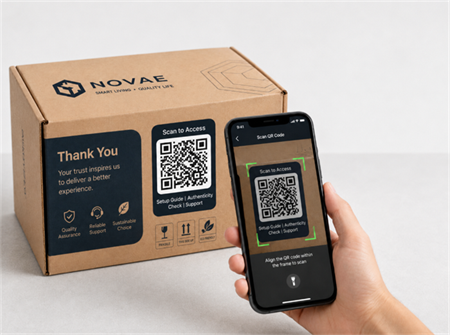
TL;DR: Interactive packaging connects physical products such as boxes, bottles, and labels with digital experiences through technologies like QR codes, NFC, RFID, and augmented reality (AR). It helps brands deliver product information, authentication, and customer engagement directly from the package.
Have you ever scanned a QR code on a product package to check ingredients, access instructions, or learn more about a brand? That simple action is one of the most familiar examples of interactive packaging.
Unlike traditional packaging, which mainly communicates through printed text and graphics, interactive packaging creates a bridge between the physical product and digital content. This can help brands share product details, support authentication, provide usage guidance, and create more engaging customer experiences.
What Is Interactive Packaging?
Interactive packaging is one of the most visible applications of smart packaging, allowing consumers to access additional information or experiences through the package itself.
Instead of acting only as a container or printed information carrier, the package becomes a touchpoint that connects customers to online content, services, or brand interactions.
Common interactive packaging technologies include:
• QR codes.
• NFC tags.
• RFID labels.
• Augmented reality (AR).
• Smart labels.
• Printed electronics.
The value of interactive packaging comes from the experience it enables. For example, a QR code on a food package can link to ingredient details, sourcing information, or sustainability content. An NFC tag on a luxury product can help customers verify authenticity while also offering a premium digital experience.
For brands, this shifts packaging from a one-way communication tool into a more flexible channel for education, trust-building, and engagement.
How Interactive Packaging Works
Within smart packaging, interactive solutions typically connect a physical package to digital content through a scan, tap, or visual trigger.
The best technology depends on the customer experience the brand wants to deliver, the level of security required, and the production model.
QR Code Packaging
QR code packaging is the most accessible form of interactive packaging because it works with standard printing processes and nearly all smartphones.
A simple scan can connect customers to:
• Product information.
• Ingredient details.
• Usage guides.
• Sustainability data.
• Loyalty programs.
For food, beverage, and everyday consumer products, QR codes are often the practical starting point. They add a digital layer without requiring major changes to the package structure or production process.
Ready to add interactive packaging to your products?
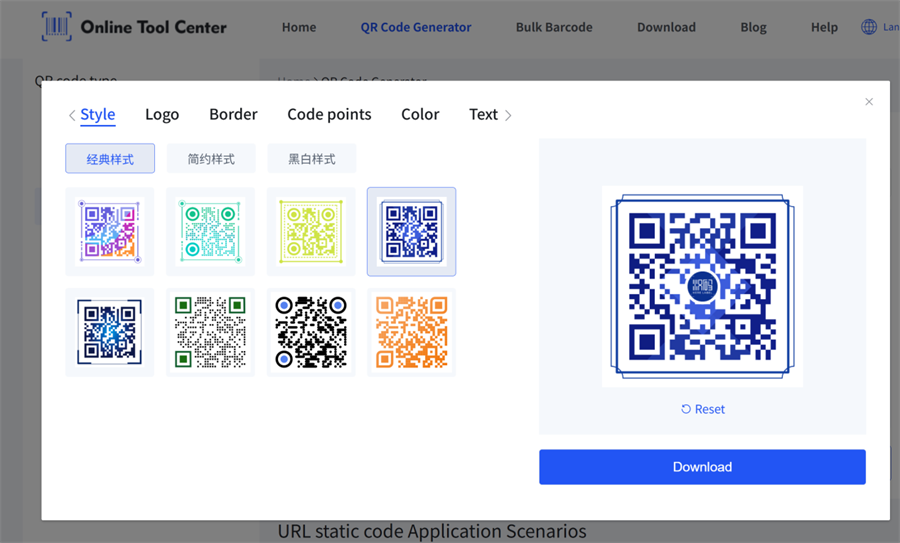
Create a free QR code in seconds with our online QR code generator and start connecting your packaging to digital experiences today.
NFC Packaging
NFC packaging uses a built-in chip that communicates with a smartphone when tapped nearby.
Compared with QR codes, NFC offers a smoother interaction because users do not need to open a camera app or scan a visible code. The tradeoff is higher hardware and integration cost, which makes NFC more common in premium or security-sensitive applications.
Typical uses include:
• Luxury product authentication.
• Digital certificates.
• Anti-counterfeit protection.
• Exclusive brand content.
Luxury cosmetics and wine brands, for example, often use NFC packaging to support authenticity checks while offering additional digital experiences.
NFC Packaging vs QR Code Packaging: Which One Should Brands Choose?
QR codes and NFC solve similar problems, but they work differently.
QR Code Packaging | NFC Packaging | |
User action | Scan with camera | Tap with smartphone |
Cost | Lower | Higher |
Production | Easy to add to printing | Requires embedded chip |
Best for | Product information, campaigns | Authentication, premium products |
Hardware needed | No | NFC-enabled tag |
For most consumer products, QR codes offer the easiest way to start interactive packaging. NFC becomes more valuable when security, exclusivity, or seamless interaction matters.
RFID Packaging
RFID packaging is used more often for identification, tracking, and supply chain management than for direct consumer interaction.
Common applications include:
• Inventory tracking.
• Product traceability.
• Anti-counterfeit systems.
RFID is highly effective for logistics and operational visibility, but it is less commonly used as a consumer-facing interaction tool.
AR Packaging and Smart Labels
AR packaging links physical products with virtual experiences, allowing customers to access:
• Product demonstrations.
• Tutorials.
• Interactive campaigns.
• 3D experiences.
Smart labels and printed electronics can support additional functions, such as displaying information or responding to product conditions. These technologies usually require more planning and investment, so they are often used for premium products, marketing campaigns, or specialized applications.
Interactive Packaging Examples: How Brands Use Packaging Beyond the Product
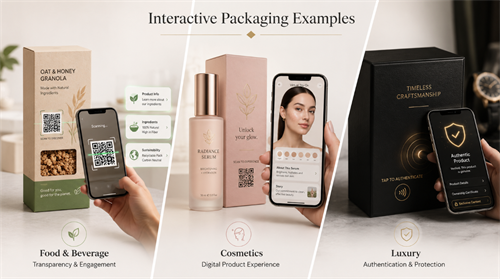
Leading brands are using interactive packaging for different reasons — from improving transparency to creating digital experiences and protecting products from counterfeiting.
Food & Beverage: Transparency and Engagement
Food and beverage brands often use QR code packaging to give customers instant access to product information.
For example, Nestle has explored digital packaging experiences that help consumers learn more about products, ingredients, and sustainability efforts. Beverage brands also use QR codes and connected packaging for campaigns, loyalty programs, and customer engagement.
Cosmetics: Digital Product Experiences
Beauty brands use interactive packaging to make product discovery more engaging.
L'Oreal has used augmented reality experiences to help customers explore products and try virtual beauty solutions. NFC-enabled packaging is also becoming more common for premium cosmetics, where authenticity and brand storytelling are important.
Luxury: Authentication and Brand Protection
Luxury brands face a constant challenge from counterfeit products.
NFC-enabled packaging allows customers to verify authenticity through a smartphone while giving brands a new way to share product history, ownership information, or exclusive content.
Healthcare: Better Product Information
In pharmaceutical packaging, interactive features focus more on safety and user support.
Connected packaging can provide digital instructions, medication information, and reminders, helping patients access important information when they need it.
Benefits of Interactive Packaging for Brands
Interactive packaging provides several advantages beyond traditional packaging design.
Improve Customer Engagement
Interactive features give consumers a reason to spend more time with a product. A simple package can become a channel for education, entertainment, and brand communication.
Build Brand Trust
Consumers increasingly want more information before making purchasing decisions. Technologies such as QR codes and NFC help brands provide transparency and authenticity verification.
Collect Valuable Customer Insights
Digital interactions can help brands understand customer interests and behaviors. This information can support future marketing strategies and product improvements.
Support Product Authentication
For industries affected by counterfeit products, interactive packaging provides an additional layer of protection through digital verification.
Is Interactive Packaging Right for Your Business?
Interactive packaging is not necessary for every product. The best results usually come when the technology supports a clear customer need.
It may be a good choice for brands that:
• Sell premium or high-value products
• Need stronger customer engagement
• Want to provide additional product information
• Operate in industries where authenticity matters
Before implementing interactive packaging, companies should consider several factors:
✔️The type of interaction customers actually need
✔️Production volume and packaging process
✔️Technology costs
✔️Digital platform requirements
A QR code may be enough for a brand that wants to share product information, while a luxury company may need NFC or RFID for authentication purposes.
The key is choosing technology based on the customer experience you want to create, not simply adding a digital feature.
Final Thoughts
Interactive packaging is changing the role of packaging from a static product cover into a connected communication tool. Through QR codes, NFC, RFID, AR, and smart labels, brands can create more useful and engaging experiences for consumers.
As customers continue to expect transparency, personalization, and digital interaction, interactive packaging will become an increasingly important part of modern packaging strategies across industries.
