



Quick Answer
To start a small clothing business from home, begin by choosing a clear niche and deciding on a business model—such as inventory, dropshipping, or print-on-demand. Next, estimate realistic startup costs, register your business if required, and find reliable suppliers.
Once the basics are in place, set up an online store and start marketing with a small test budget. Keep your setup lean and validate demand before scaling. Most home-based clothing businesses fail because they overspend too early—not because the idea itself was bad.
1. Choose a Specific Niche
“Clothing” is too broad. You need a focused angle.
Examples:
• Minimalist gym wear for women
• Streetwear for teens
• Organic baby clothing
• Custom graphic T-shirts
The more specific your niche, the easier it is to market. A home-based clothing business survives on clarity, not volume.
Before moving forward, check:
• Is there demand on Etsy or Amazon?
• Are people searching for it on Google?
• Is competition saturated or manageable?
2. Decide Your Business Model
This is where most beginners make mistakes. There are three main ways to start a clothing brand from home:
Model | Startup Cost(dollars) | Risk Level | Best For |
Inventory (buy in bulk) | 1,000–5,000 | Higher | Long-term brands |
Dropshipping clothing business | 200–800 | Low–Medium | Testing demand |
Print-on-demand clothing | 100–500 | Low | Graphic-based brands |
Inventory gives better margins but higher risk.
Dropshipping reduces upfront cost but limits quality control.
Print-on-demand is ideal if your designs are the main selling point.
If you're just starting, test with print-on-demand before committing to bulk inventory.
3. Estimate Your Clothing Business Startup Cost
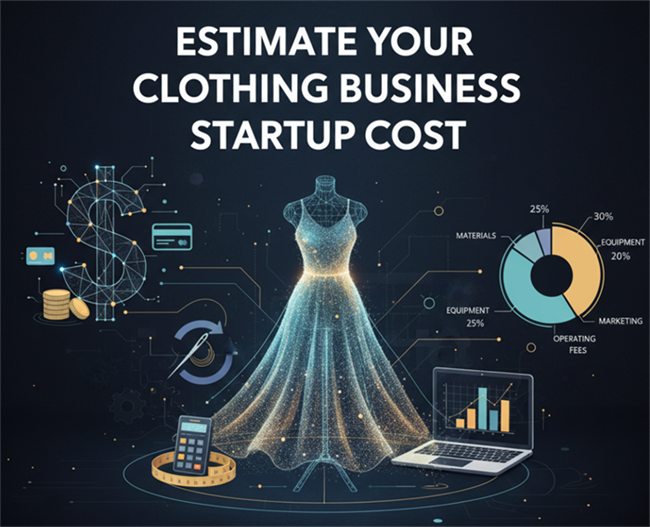
You don't need 10,000 dollars to begin. But you do need a realistic budget.
Typical starting costs (dollars):
• Product samples: 200–1,000
• Website (Shopify): 29–39/month
• Domain name: 10–20/year
• Logo & branding (DIY or basic design): 0–300
• Initial marketing test budget: 200–500
Total realistic starting range:
500–2,000 dollars for a low investment small clothing business from home
The biggest mistake? Spending heavily on branding before confirming demand.
4. Register Your Business (Keep It Simple)
Depending on your country or state, you may need:
• Business license
• Sales tax permit
• EIN or tax ID
Search “clothing business license requirements + your state.”
Many beginners delay starting because they overthink paperwork. In most regions, registration is straightforward and inexpensive.
Handle the basics early to avoid future issues.
5. Source Suppliers Carefully
If you're buying inventory:
• Order samples first
• Test fabric quality
• Check sizing consistency
For print-on-demand clothing:
• Use platforms like Printful or Printify
• Order a test piece before selling
For dropshipping clothing:
• Vet suppliers carefully
• Check shipping times
• Avoid generic product photos
Your reputation depends on product quality. In clothing, returns can destroy profit margins.
6. Build a Simple Brand Identity
You don't need a complex brand story. You need consistency.
Focus on:
• Clear brand name
• Simple logo
• Consistent colors
• Defined audience
A clean, cohesive look builds trust. Especially when selling clothes online.
Some small clothing brands also add QR codes to clothing tags, packaging, or thank-you cards so customers can quickly visit their online store or social pages. A simple QR code generator can create these codes in seconds and connect offline packaging with your online shop.

7. Set Up Your Sales Channel
You have three main options:
• Shopify – Best for full control
• Etsy – Easier traffic, competitive space
• Social media shops (Instagram, TikTok) – Good for trend-driven products
If you're asking how to sell clothes online from home, start with one platform. Don't try to launch everywhere at once.
Focus. Test. Adjust.
8. Start Small With Marketing
Avoid large ad budgets in the beginning.
Start with:
• Organic TikTok or Instagram posts
• Short-form product videos
• Micro-influencer collaborations
• Simple paid ad tests (5–15 dollars per day)
Your first goal isn't profit. It's validation.
If people buy at full price, you have something worth scaling.
Real-World Example
A home-based T-shirt seller started with print-on-demand using Etsy. She tested 15 designs over three months with a 300 dollar ad budget. Only three designs sold consistently. She doubled down on those and later moved into small inventory batches for better margins.
Testing first saved her from thousands in unsold stock.
Common Mistakes to Avoid
✖️Ordering bulk inventory before validating demand
✖️Ignoring sizing charts and quality checks
✖️Overcomplicating branding
✖️Spending too much on ads too early
✖️Trying to serve “everyone” instead of a niche
✖️Neglecting shipping times and return policies
Most failed home-based clothing businesses collapse due to poor cash management—not lack of creativity.
What Actually Makes It Work
A small clothing business from home works when you:
✅Keep startup costs controlled
✅Test before scaling
✅Focus on one niche
✅Build trust through consistent quality
This isn't a quick-rich scheme. But it is a realistic, scalable model if you treat it like a business—not a hobby.
Start small. Validate. Improve. Then expand.That's how sustainable clothing brands are built—even from a spare bedroom.
