




QR codes have moved past the "cool gimmick" stage. In 2026, they serve as core business infrastructure. The global QR code market hits $15.23 billion this year and grows at a steady 16.82% CAGR through 2031.
Businesses no longer ask if they should use QR codes. They ask how to use them smarter, safer, and at scale. Here are the eight trends that matter most right now — plus exactly what you should do about them.
1.QR Codes Become Permanent Product Infrastructure
Companies now treat QR codes as lifelong product companions instead of temporary campaign tools. One scan gives customers access to specs, repair guides, recycling instructions, and ownership history.
Why it matters:
EU regulations and sustainability demands drive this shift. The Digital Product Passport (DPP) requires machine-readable data carriers — usually QR codes — on many products starting in phases from 2026–2027.
Action step:
Place durable, branded QR codes on product labels or packaging. Link them to dynamic pages you can update for years without reprinting.

2.Dynamic QR Codes Dominate (65% Market Share)
Static links are fading fast. Dynamic alternatives—such as seasonal campaign QR codes, restaurant promotional QR codes, and smart packaging QR codes—now control roughly 65% of the market.
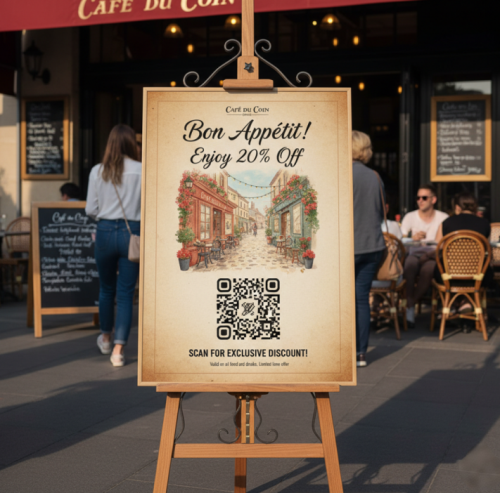
They allow businesses to edit destinations (like updating a digital PDF menu on the fly), track scans in real time, and redirect users based on location or time.
Business impact:
Run one code across multiple campaigns. Fix broken links instantly. Gather first-party data without extra tools.
Action step:
Transition your physical assets—from vCard business cards to retail display QR codes—to dynamic formats to monitor scans, locations, and devices.
3.AI-Powered Design and Personalization
AI now helps create beautiful, on-brand QR codes that actually scan reliably. It also personalizes what users see after scanning.
One code can show different landing pages based on who scans it, where they are, or what they bought before. Branded designs boost scan rates by 25-40%.
Action step:
Use a QR generator with AI design tools. Add context-aware rules to your dynamic codes for better engagement.
4.QR Code Payments Go Mainstream
QR payments exploded. Global spending through QR codes already tops trillions in key markets, with strong double-digit growth continuing in 2026.
Retail, restaurants, events, and street vendors all use them for fast, contactless checkout.
Action step:
Offer QR payments alongside other options. Use dynamic codes that can handle different amounts or promotions.
5.Security and Anti-Quishing Measures Get Serious
Hackers love QR codes. Quishing (QR phishing) attacks rose sharply. Businesses now add password protection, expiration dates, scan limits, and domain verification.
Action step:
Never use plain static codes for sensitive actions. Choose platforms that offer enterprise-grade security features like scan approvals and encrypted redirects.
6.WebAR and Immersive Experiences via QR
Scan a code. See a 3D product model, virtual try-on, or interactive demo. WebAR needs no app download, so friction stays low.
This trend shines in retail, real estate, and education.
Action step: Link QR codes to simple WebAR experiences. Test them on mobile devices first.
7.Regulatory Compliance Drives Adoption
Beyond the EU's Digital Product Passport, GS1 standards, pharmaceutical tracking, and sustainability rules all push QR usage. Companies that prepare early avoid last-minute scrambles.
Action step:
Build a central QR governance system. Keep records of every code, its purpose, and linked data for audits.
8.Centralized Enterprise QR Management Platforms
Large organizations no longer let teams create codes randomly. They use dedicated platforms for creation, approval workflows, analytics, and bulk updates.
This cuts risk and improves consistency.
Action step: Move from free scattered tools to a professional QR management platform with team accounts, folders, and detailed reporting.
How to Prepare Your Business for QR Codes in 2026
Follow these practical steps:
1. Audit current usage — Find every QR code you use. Replace static ones with dynamic versions.
2. Choose the right platform — Pick a QR code generator that offers dynamic codes, analytics, branding, security, and API access if needed.
3. Train your team — Show marketing, operations, and product teams how to create and track codes safely.
4. Focus on design and placement — Make codes scannable from 1–2 meters away. Match them to your brand colors.
5. Measure everything — Track scans, locations, devices, and conversions. Use the data to improve.
6. Plan for compliance — If you sell in Europe or regulated industries, start building Digital Product Passport-ready systems now.
Start Small, Scale Fast
You don't need a huge budget. Begin with one high-impact area — product packaging, menu, or event check-in. Test. Measure. Improve.
QR codes in 2026 are not about technology. They are about connecting physical and digital worlds smoothly, securely, and at scale.
Ready to put these trends into practice? Create your first dynamic, branded QR code today and see the difference professional tools make.
