



When generating barcodes in bulk, choosing the right barcode format is just as important as choosing the right tool. Two of the most commonly used formats in business environments are Code 128 and Code 39. While both are widely supported, they serve different purposes depending on your data structure, scanning environment, and labeling volume.
Understanding the differences between Code 128 and Code 39 can help you avoid scanning issues, reduce label size, and ensure smoother bulk barcode generation across inventory, logistics, and internal tracking workflows.
What Is Code 128?
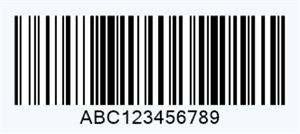
Code 128 is a high-density barcode format designed to encode a wide range of characters efficiently. It supports numeric and alphanumeric data and is commonly used in modern inventory and logistics systems where compact labels and reliable scanning are critical.
Because it can store more information in less space, Code 128 is often preferred when labels need to remain small or when codes contain longer values such as serial numbers or internal SKUs.
What Is Code 39?
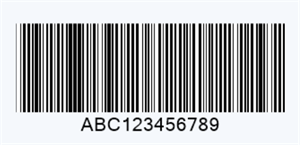
Code 39 is a simpler, more traditional barcode format that encodes alphanumeric characters using a straightforward structure. It is known for its readability and ease of implementation, especially in environments with older scanners or legacy software systems.
Although it requires more space on the label compared to Code 128, Code 39 remains popular in industrial and asset-labeling scenarios where compatibility and visual verification are important.
Code 128 vs Code 39: Key Differences at a Glance
Feature | Code 128 | Code 39 |
Data density | High | Lower |
Character support | Numeric & alphanumeric | Alphanumeric |
Label size | More compact | Larger |
Common use cases | Inventory, logistics, internal tracking | Industrial, asset labeling, legacy systems |
Bulk generation efficiency | More efficient for large batches | Simpler setup for basic needs |
This comparison highlights why the choice between the two formats often comes down to data length, label size, and system compatibility.
When to Use Code 128 for Bulk Barcodes

Use Code 128 when you need to generate barcodes in bulk for the following scenarios:
• Inventory and warehouse labeling — Ideal for bulk generation when SKUs or item codes are long and space on the label is limited.
• Logistics and shipping workflows — Commonly used for internal tracking where higher data density improves scan reliability.
• Serial numbers and internal IDs — Efficient for encoding mixed characters across large barcode batches.
• High-volume bulk barcode generation — A practical choice when creating hundreds or thousands of barcodes at once, helping maintain consistent label dimensions and scan performance.
Tip: In most modern labeling workflows, Code 128 is the default choice unless a specific system requires another format.
When Code 39 Makes Sense for Bulk Generation

Choose Code 39 for bulk barcode generation in situations such as:
• Legacy systems and older scanners — Suitable when existing hardware or software supports simpler barcode standards.
• Short, simple codes — Works well when data length is minimal and readability is a priority.
• Industrial or asset labeling — Common in environments where labels may need to be visually verified.
• Compatibility-focused workflows — Useful when maintaining consistency with historical labeling practices across large batches.
Tip: Code 39 remains a reliable option when simplicity and compatibility outweigh the need for compact labels.
Which Barcode Is Better for Bulk Generation?
In most cases, Code 128 is the better choice for bulk barcode generation due to its compact size and ability to handle longer data values efficiently. Code 39 remains relevant for specific use cases where legacy compatibility or simplicity is required. If you are unsure, starting with Code 128 is often the safest option.
How to Bulk Generate Code 128 or Code 39 Barcodes Online
Once you've chosen the appropriate format, generating barcodes in bulk doesn't have to be complicated. With a free bulk barcode generator, you can create large batches of barcodes online without installing software or managing complex settings.
Here are the general steps:
1.Choose the barcode type based on how the labels will be used, such as inventory or internal tracking.
2.Import your list of values by pasting them from a spreadsheet or plain text file, with one entry per line.
3.Adjust barcode settings as needed—such as showing human-readable text, setting margins, or choosing the desired image format.
4.Create and download the barcode files, which can then be used for printing or placed into label designs.
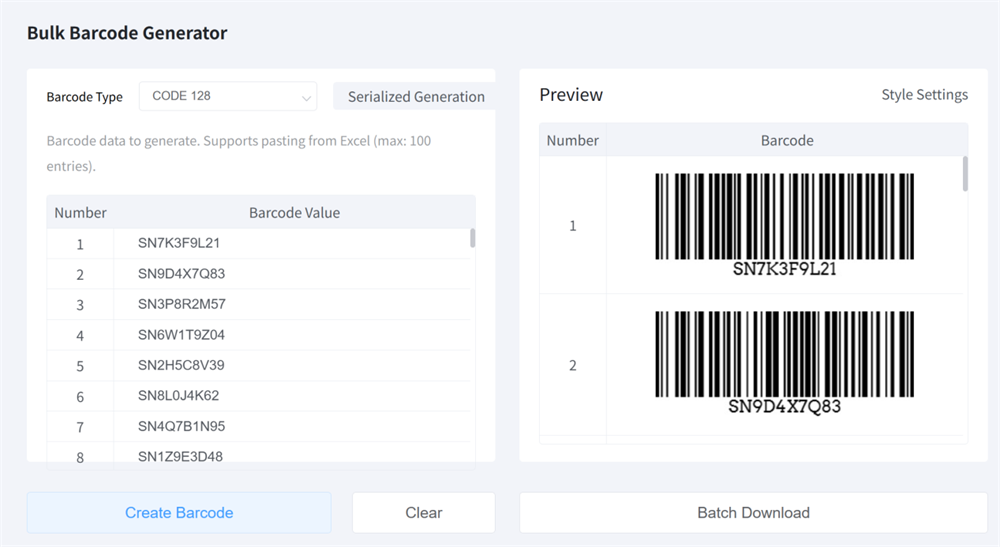
This streamlined approach makes it easy to generate Code 128 or Code 39 barcodes in bulk while keeping the process fast and flexible.
Learn more: Explore a detailed, step-by-step guide to bulk generating Code 128 barcodes.
Common Mistakes When Generating Barcodes in Bulk
Even with the right format, small setup issues can affect scan performance:
• Choosing a barcode format that doesn't match your system requirements
• Generating labels that are too small for the encoded data
• Failing to clean spreadsheet data before bulk generation
• Ignoring quiet zones and spacing around the barcode
Taking a few moments to review these factors can help ensure reliable scanning across large barcode batches.
Frequently Asked Questions
Q1: Is Code 128 better than Code 39 for bulk barcodes?
In most modern applications, yes. Code 128 is more space-efficient and better suited for longer codes, making it ideal for bulk generation.
Q2: Can I generate Code 128 barcodes in bulk for free?
Yes. Many online tools allow you to generate Code 128 barcodes in bulk without cost, especially for internal tracking and labeling purposes.
Q3: Do scanners support both Code 128 and Code 39?
Most modern scanners support both formats, but older systems may have limitations. Always check compatibility before large-scale printing.
Q4: Which barcode format works better for long SKUs?
Code 128 is generally recommended for longer or more complex SKU values.
If you already know which barcode format fits your needs, you can streamline your workflow with an online solution. Generate Code 128 or Code 39 barcodes in bulk using our free bulk barcode generator—fast, simple, and no software required.