



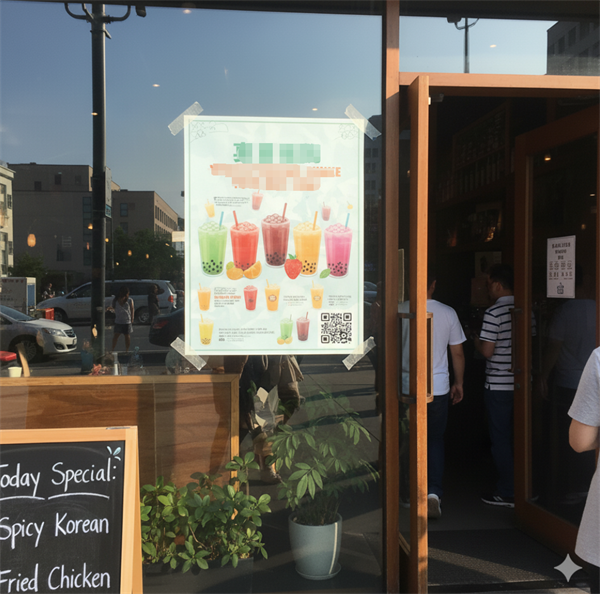
QR codes have become a practical tool in mobile marketing, serving as a direct bridge between the physical world and mobile experiences. Posters, product packaging, receipts, and digital screens now act as simple entry points to mobile-first content. When used with clear intent and proper execution, QR codes and mobile marketing strategies help shorten the path from attention to action.
Why QR Codes Work in Mobile Marketing Today
QR codes work because they match how people already use their devices. Most users have their phones in hand. Scanning feels natural. There is no typing, no searching, and no extra steps. One scan leads directly to action.
This low-friction behavior is what keeps QR codes effective in mobile marketing. Compared with traditional URLs or printed instructions, QR codes remove hesitation and reduce drop-off at the very first interaction.
From a marketing perspective, QR codes offer several practical advantages:

• They connect offline touchpoints directly to mobile campaigns
• They shorten the path from attention to engagement
• They enable tracking and performance measurement
• They scale easily across locations, formats, and campaigns
For brands focused on mobile engagement, QR codes are not a novelty. They are a reliable, behavior-driven tool that continues to deliver results when used with clear intent.
Common Use Cases of QR Codes in Mobile Marketing
✅ Retail & In-Store Campaigns
QR codes on shelves, signage, or receipts can link shoppers to product details, reviews, promotions, or loyalty programs—enhancing the in-store mobile experience.
✅ Events and Exhibitions
Event organizers use QR codes for registrations, schedules, digital brochures, lead capture, and post-event follow-ups, all optimized for mobile access.
✅ Product Packaging
Packaging QR codes connect customers to tutorials, warranty registration, reordering pages, or brand storytelling—extending engagement beyond the point of sale.
✅ Restaurants and Hospitality
Menus, ordering systems, feedback forms, and payment flows are increasingly QR-driven, offering a contactless and mobile-friendly experience.
✅ Out-of-Home (OOH) Advertising
Billboards, posters, and transit ads use QR codes to turn passive impressions into measurable mobile actions.
How to Use QR Codes in Mobile Marketing Campaigns
A successful QR code mobile marketing campaign typically follows four steps:
1.Choose the right destination
Use mobile-optimized landing pages, forms, app downloads, or payment links.
2.Design for mobile behavior
Ensure fast loading, clear messaging, and minimal steps after scanning.
3.Generate a clean, scannable QR code
Use a reliable QR code generator to create high-contrast, properly sized QR codes. Avoid overly complex designs that reduce scan reliability, especially in real-world environments.
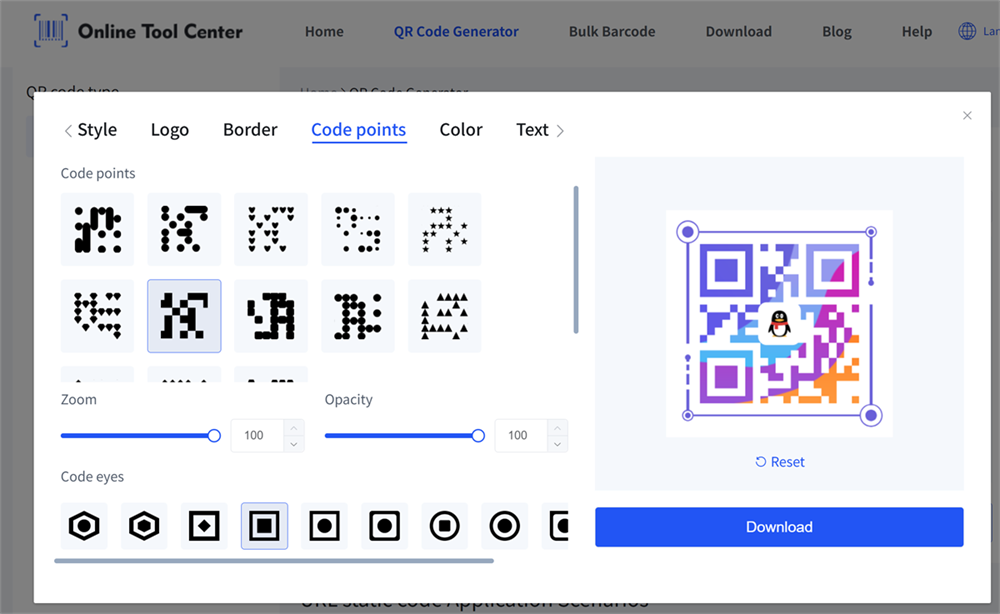
Try our free tool and create custom QR codes with logos and distinctive visual styles for mobile campaigns!
4.Place QR codes strategically
Position codes where users naturally pause and can scan comfortably.
5.Track and optimize performance
Monitor scans, locations, devices, and conversion paths to refine campaigns.
The QR code itself is only the entry point—the mobile experience determines success.
Best Practices for QR Code Mobile Marketing in 2026
As mobile behavior continues to evolve, effective QR code usage follows these best practices:
✅Mobile-first landing pages: Pages must load quickly and display correctly on all devices.
✅Custom QR code design: Use clear contrast, balanced layouts, and brand elements such as logos or color accents to make QR codes more noticeable and engaging.

✅Clear call-to-action: Tell users exactly what happens after scanning.
✅Context-aware placement: Match the QR code's purpose to the user's environment.
✅Privacy and consent awareness: Be transparent about data collection and tracking.
In 2026, QR codes succeed not because they are novel, but because they are well-integrated into mobile journeys.
QR Codes and Mobile Marketing FAQs
Q1:Where should QR codes be placed for best results?
High-visibility, low-friction locations such as packaging, store entrances, event signage, receipts, and product displays perform best.
Q2:Should I use static or dynamic QR codes for marketing?
Dynamic QR codes are generally preferred because they allow destination updates and performance tracking without reprinting materials.
Q3:What happens after users scan a QR code?
Users should be directed to a fast-loading mobile experience with a clear next step—such as signing up, purchasing, or learning more.
Q4:Are QR codes better than NFC for mobile campaigns?
Neither is universally better. QR codes offer broader compatibility, while NFC can work well in controlled environments with supported devices.
QR codes remain a powerful component of mobile marketing—not because they are new, but because they fit naturally into mobile-first behavior. When thoughtfully implemented, QR codes turn physical moments into digital opportunities and measurable results.
For marketers in 2026, the question is no longer whether to use QR codes, but how strategically they are used within mobile campaigns.
