



So, you just picked up a fresh pair of Nike runners (or trainers, if you're in the UK/AU). You noticed a small QR code printed on the size tag, the insole, or the box, and your first thought was probably: "Does scanning this prove my shoes are real?"
It's the most common question we get. Before you pull out your phone to scan it, here is the honest truth: A working QR code does not guarantee authenticity.
While these codes are legitimate features used by Nike, they are often misunderstood. This guide breaks down exactly what that square code is doing on your shoe, how it behaves in different regions (US, EU, Asia), and why you shouldn't rely on it as your only legitimacy check.
What Is the QR Code on Nike Running Shoes?
The QR code found on Nike running shoes is not a special type of QR code and not a tracking chip.
It is simply a digital entry point. Nike uses these 2D barcodes to connect the physical product to their digital ecosystem. Depending on your region and the shoe model (e.g., Pegasus, Vaporfly, or Air Max), the code acts as a bridge to:
• Product Information: Details about the specific model series.
• Regional Nike Platforms: Redirecting you to the local Nike store (e.g., Nike US, Nike UK, or regional apps in Asia).
• Internal Manufacturing Data: Helping Nike track batches from factories in Vietnam, Indonesia, or China.
Where to Find the Nike QR Code
Nike may place QR codes in several common locations:
• Shoe tongue label (inside or back side)
• Inside the shoe, near the size or production label
• Under the insole (less common)
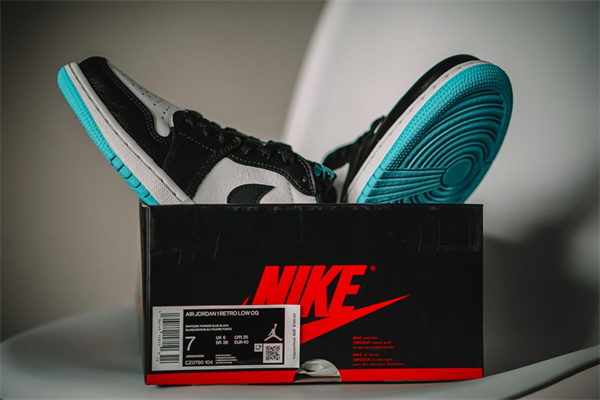
• On the shoe box label
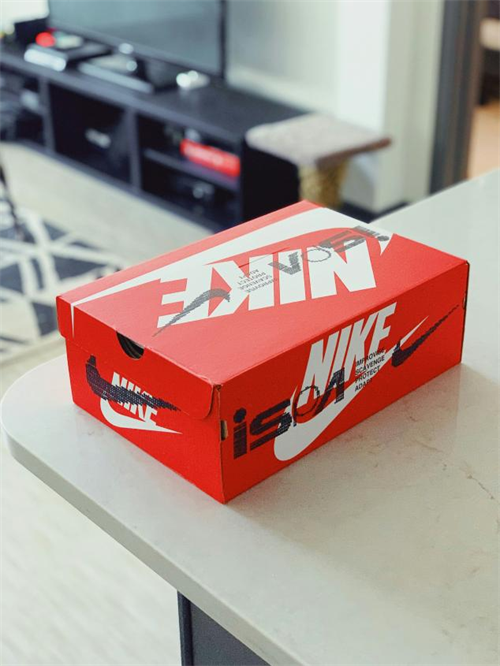
Not all Nike running shoes have QR codes, and placement can vary by market (US, Europe, Asia) and production batch.
What Happens When You Scan the QR Code?
When you scan a QR code on Nike running shoes, you may be redirected to:
• A Nike-related webpage showing product details
• A general Nike landing page
• The Nike App or Nike Run Club page
• A region-specific Nike website
The exact behavior depends on:
• The shoe model
• The year of release
• The country where the shoes were sold
⚠️ Important:Scanning the QR code does not automatically verify authenticity, record running data, or identify the owner.
Is the QR Code Used for Authentication?
This is themost common question, and the answer matters:
A QR code alone does NOT guarantee that Nike running shoes are authentic.
• Why?
• QR codes are easy to copy and print
• Fake shoes can also include QR codes
• Some QR codes link only to general pages, not verification systems
How QR codes can help (indirectly)
• The link should look professional and brand-consistent
• Obvious errors, broken links, or suspicious domains are red flags
How QR codes cannot help
• They are not a secure anti-counterfeit system
• They do not replace serial number checks or retail proof
Is the QR Code Connected to the Nike App or Nike Run Club?
Sometimes, yes—but with limits.
Some Nike running shoes use QR codes to:
• Encourage users to download the Nike App
• Register a product
• Access training or content in Nike Run Club
However:
• The QR code does not track your runs
• The shoe itself contains no sensor or chip
• Running data still comes from your phone or wearable device
QR codes are entry points, not smart hardware.
Want to create a QR code for your product?
Click below to get started with our free QR code generator today.

Can Nike Running Shoes Without a QR Code Be Real?
Yes. Many authentic Nike running shoes do not have QR codes at all.
Reasons include:
• Older production years
• Lower-tier or basic models
• Market-specific packaging rules
Lack of a QR code doesnot mean the shoes are fake.
Can Fake Nike Shoes Have QR Codes?
Yes—and this is why QR codes should never be your only check.
Counterfeit shoes may include:
• QR codes copied from real products
• QR codes linking to real Nike pages
• QR codes that look correct but serve no purpose
Always combine QR code inspection with:
• Retail source credibility
• Label quality and print clarity
• Stitching, materials, and box details
Is It Safe to Scan QR Codes on Nike Shoes?
In general, yes—but stay cautious.
Safe signs:
• Redirects to nike.com or official app stores
• Secure HTTPS links
Be careful if:
• The link goes to unfamiliar domains
• It asks for personal information
• It triggers unexpected downloads
As with any QR code, scan thoughtfully.
Final Thoughts
Nike running shoes with QR codes are normal—and increasingly common—but they are often misunderstood.
To summarize:
• QR codes are standard, not special technology
• They do not prove authenticity by themselves
• They do not track your runs
• They are mainly used for information, apps, and engagement
Understanding this helps you avoid confusion, scams, and unrealistic expectations.
