



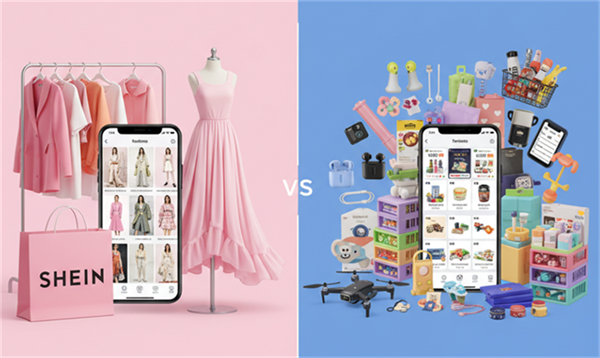
When you're deciding between Shein and Temu, it usually means you're ready to place an order, you just want to make the smarter choice. A Shein vs Temu comparison isn't really about declaring one platform the winner.It's about what matters more to you: price, clothing quality, shipping speed, or return flexibility.
Both platforms compete aggressively on affordability, but their differences become clearer once you look at how they handle products, logistics, and customer experience.
Here's a straightforward breakdown to help you decide.
1. Price: Which Is Cheaper?
Temu is generally perceived as the lower-price platform overall.
• Temu focuses heavily on aggressive discounting and flash deals.
• It often subsidizes pricing to drive rapid user growth.
• Product categories extend beyond fashion into home goods, electronics, tools, and novelty items.
Shein, while also low-cost, is primarily fashion-driven. Its pricing is competitive within apparel categories but may not always beat Temu on non-fashion goods.
If your main priority is absolute lowest price across general merchandise, Temu often wins.
If you're shopping specifically for trendy fashion, Shein may offer better variety and styling options.
2. Product Quality: What Should You Expect?
When comparing clothing specifically, the distinction becomes clearer.
Shein's business model centers on fast-fashion apparel. That focus results in more organized size charts, fashion-driven collections, and consistent category filtering. While not premium, clothing items often align more closely with current trends.
Temu, in contrast, functions as a multi-category marketplace. Clothing is part of a much broader product ecosystem. As a result, fabric quality, fit accuracy, and finishing details can vary more significantly between listings.
In practical terms:
• For fashion-focused purchases, Shein often feels more apparel-oriented.
• For ultra-budget, mixed-category shopping, Temu emphasizes price over garment specialization.
As always, checking reviews and customer photos remains critical on both platforms.
3. Shipping Speed: Which Delivers Faster?
Shipping times depend on location and fulfillment routing.
Typical standard shipping ranges:
• Shein: approximately 7 to 12 business days (US average)
• Temu: about 7 to 15 business days depending on the region
Both platforms rely heavily on cross-border fulfillment and centralized logistics hubs.
Temu sometimes promotes faster delivery windows during growth campaigns.
Shein benefits from more established regional warehouse infrastructure in some markets.
Neither platform competes directly with domestic 2–3 day marketplace fulfillment.
If speed is your top priority, a local marketplace seller may be faster than either.
4. Returns & Refunds: Which Is Easier?
Returns are one of the most important factors for fashion purchases.
Shein:
• Generally offers one free return per order in many regions.
• Requires items to be unworn with tags attached.
• Refund timelines typically range from 1–10 business days depending on method.
Temu:
• Often offers free returns within a defined window.
• Provides return shipping labels via account portal.
• May process refunds relatively quickly after inspection.
Policies can change by region and promotion.
From a structural perspective, both platforms rely on digital return portals and centralized inspection.
There is no dramatic advantage, but users often report slightly smoother return experiences in fashion-specific orders on Shein.
Need to generate compliant barcodes for marketplace listings or warehouse use? Try our free bulk barcode generator to create scannable EAN, UPC, or Code 128 codes online.

5. Trust & Legitimacy Concerns
Search behavior shows many users question safety and legitimacy.
Both platforms are legitimate large-scale marketplaces. However:
• Products are sourced from third-party manufacturers.
• Quality consistency varies.
• Delivery expectations should align with cross-border shipping realities.
Users should:
• Review ratings carefully.
• Check sizing charts (especially for clothing).
• Understand return windows before ordering.
Risk management matters more than brand preference at this price tier.
6. Which Platform Is Better for You?
It depends on what you value most.
Choose Temu if:
• You prioritize the lowest price possible.
• You want broad product categories.
• You enjoy flash deal-style shopping.
Choose Shein if:
• You're focused on fashion and trend-driven clothing.
• You want a more apparel-centered browsing experience.
• You prefer more fashion-specific filtering and sizing tools.
Neither platform is designed as a premium experience.Both compete on affordability and scale.
Frequently Asked Questions
Q1: Is Temu cheaper than Shein?
In many non-fashion categories, Temu often offers lower pricing. In fashion, pricing is competitive on both platforms.
Q2: Does Shein deliver faster than Temu?
Delivery speeds are similar and depend on region. Both typically operate within 7–15 business days.
Q3: Which has better return policies?
Both offer digital return systems. Shein may feel more structured for apparel purchases.
Q4: Is quality better on one platform?
Quality varies by supplier. Reviews and product photos are critical before purchasing.
In Summary
Comparing large-scale budget marketplaces is less about which platform is universally superior and more about aligning expectations.
• If price is your primary driver, evaluate promotions.
• If clothing selection matters most, compare apparel categories carefully.
• If speed and return flexibility are essential, review shipping timelines before ordering.
Understanding these trade-offs allows you to shop more confidently and reduce post-purchase frustration.
